










Water for Peace Access to Water Services
Right to Water Campaign
Smart Energy
Smart Water for Green Schools

Access to clean water and sustainable energy are two of the cornerstones of human development; unfortunately, despite all the technological advances of the past decades, today half the population of the world lives without one or both of these essential services, trapping them in poverty. GCI is dedicated to ensuring that the right of all people to basic supplies of safe water is respected, while also striving to secure sustainable sources of energy which will promote a healthy and prosperous future for humanity and the planet. In the face of an ever-increasing global population, with the need for both water and energy growing at an amazing speed, GCI has continued to implement initiatives locally, nationally and internationally to meet rising demands.
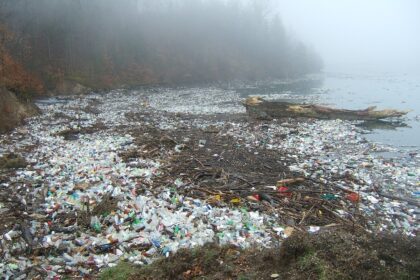
The lack of access to sufficient quantities of clean potable water and/or basic sanitation for a third of humanity is one of the most pressing matters of this age. Not only is there a lack of water in rural areas of developing nations, but also in the increasingly crowded urban centres. This shortage of water, which is such an essential part of modern life whether in domestic, commercial or agricultural endeavours, is having an untold effect on the health and development of communities across the developing world. It is hardly surprising that tensions - that could degenerate into violent conflicts - arise over this scarce and precious resource.For this reason GCI has established the Water for Peace programme, which aims to promote cooperation and conflict resolution throughout the world's transboundary river basins. This effort is illustrated by GCI's current efforts to help protect limited water resources - including groundwater - from pollution in Israel and Palestine. This also explains why GCI has become intricately involved in encouraging communication and negotiation between involved parties on how to peacefully handle the issue of equitably and sustainably managed and distributed water resources. In 2006, Green Cross International's global work on water won Mikhail Gorbachev the prestigious UN award of "Champion of the Earth".
TOP
GCI believes that access to a reliable and safe supply of water for essential human consumption and basic sanitation is a universal human right that should be recognised by all nations. In 2004 Mikhail Gorbachev announced that GCI would champion a global campaign for the Right to Water . The primary aim of this campaign is to empower national and local authorities with the ability and knowledge of how to integrate the Right to Water into their own national constitutions and legislation, thus fuelling the movement to establish a Global Convention on the Right to Water. So far, the Right to Water campaign has been successful in raising global awareness of the need for national governments to move towards an international agreement that legally binds each nation to recognise,protect and implement the human right to water. Even though the United Nations Committee on Economic, Social and Cultural Rights has already recognised the right to water as a fundamental right, this decision is not legally binding on states and it remains essential to encourage national governments to officially acknowledge the right to water as a guaranteed human right. GCI is also promoting the UN Convention on the Law of Non-navigational Uses of International Watercourses, adopted in 1997, with the objective of gathering the required number of signatories for the convention to enter into force, before the start of the 5th World Water Forum in March 2009.

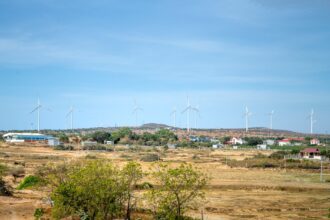
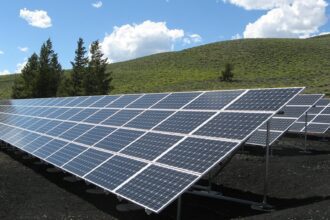
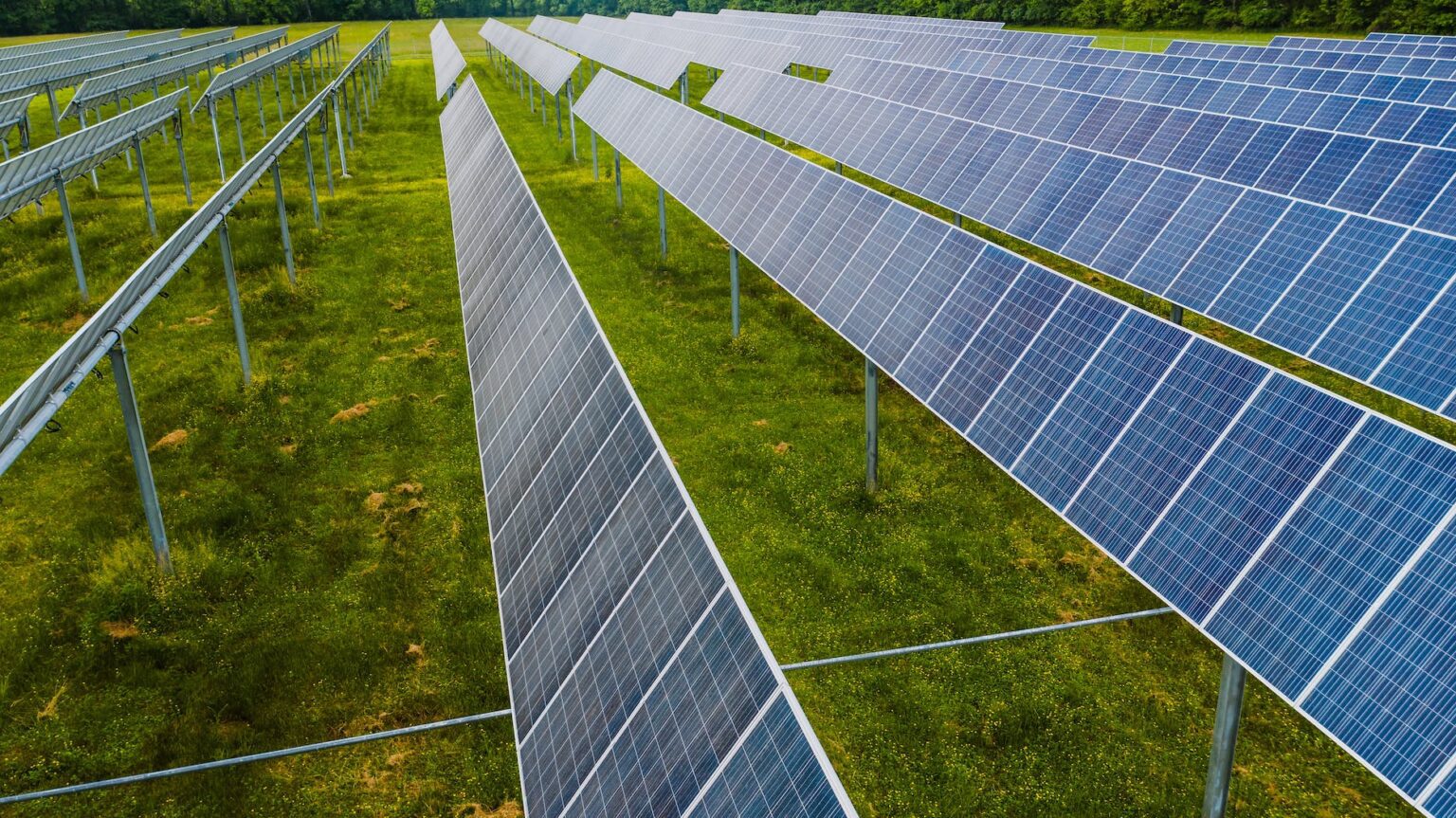
Without electricity the modern way of life would cease to exist, which is why there must be a concerted effort to use sustainable sources of energy. Fossil fuels are at best a transitionary source of energy due to their finite quantity as well as their harmful effects on the environment, which in turn will affect the security and economies of all nations. Therefore, GCI and national affiliates have been working on projects that will lower the cost and enhance the efficiency of sustainable energy sources such as solar power in order to compete with fossil fuels. One such project, being led by GCI and its national affiliate Global Green USA, is the Global Solar Fund, which aims to reduce the overall cost of solar photovoltaic technology to a level competitive with traditional fossil fuels. In the same vein, there are also projects to reduce the cost of energy consumption through the development of more "green building" techniques in the hope of reducing low-income families' utility bills by 15% - 25%. GCI continues to strive towards a more sustainable energy future with the hope that every person will have access to affordable and sufficient energy to guarantee human development and wellbeing, while also protecting the environment of which we are all a part.
Green Cross International believes that in order to achieve a more global level of sustainability there must be international solidarity and a collective effort to change the values and behaviour that we have become accustomed to. The shift has already begun but it is not happening nearly fast enough; GCI will continue to work hard in order to accelerate and expand the global movement towards real sustainability.
TOP